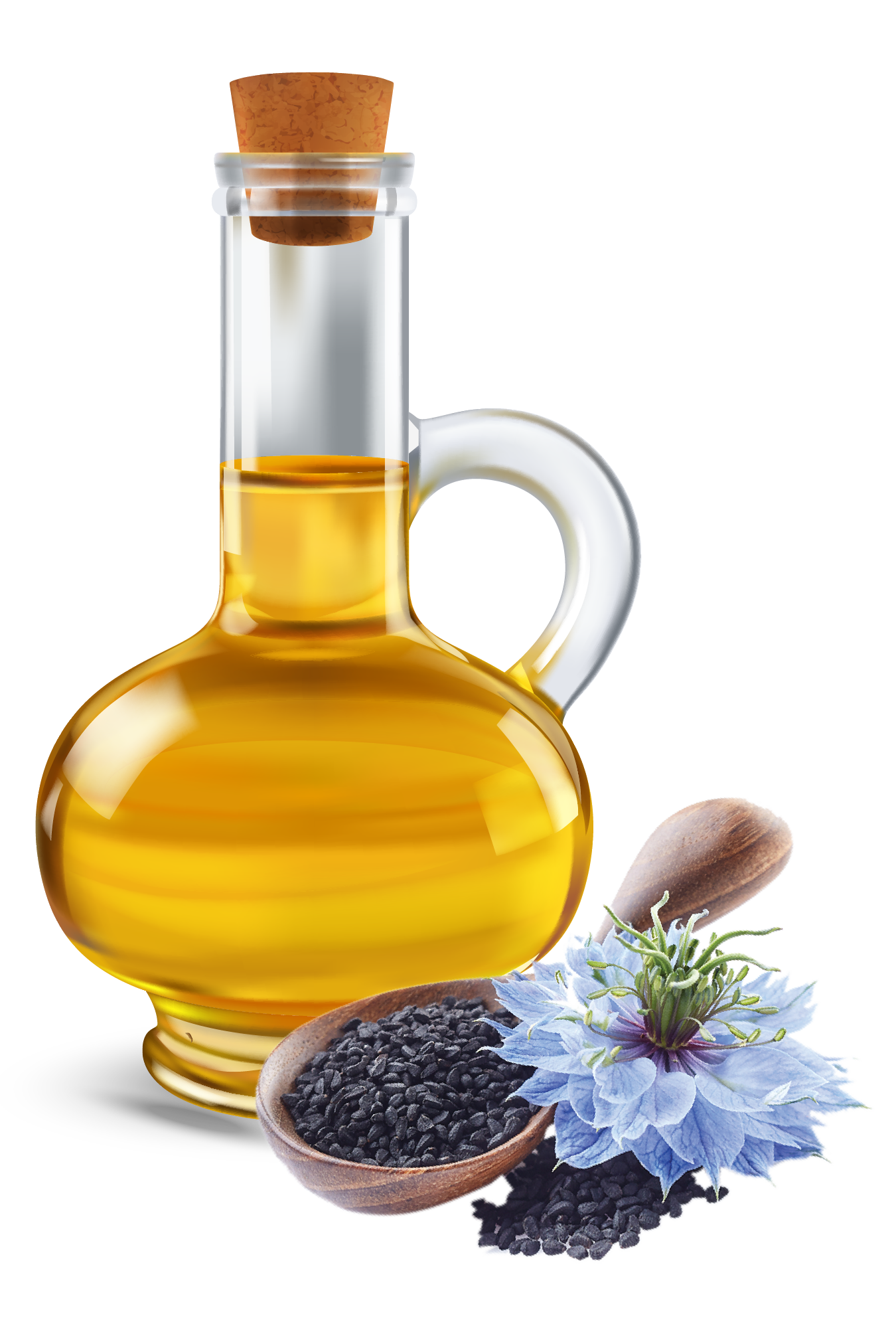
Black seed holds a unique place in the medicines of the Prophet. Black seed is mentioned along with many other natural cures in the Hadith (sayings of the Prophet Mohammad [SAW]) and in the Qur’an. The usage and popularity of black seed is widely known as a “remedy of the Prophet”.The Prophet not only mentioned the usefulness of black seed in his teachings, but also gave specific instructions on how to prepare the seed for medical use.

Menu
Black Seed
Black seed has a long and auspicious history as diversely beneficial herb. Black seed is considered to be the greatest healing herb of all times. Black cumin seed is botanically referred as Nigella Sativa, which has been used for thousands of years for its extraordinary utilities towards the wellbeing of Mankind. Scientist and all kinds of natural physicians around the world have recognized the tremendous healing properties of the legendary herb, Nigella Sativa. It is one of the most honored medicinal seeds in the history for stabilizing and maintaining the immune system and to improve overall health. Black seed (unquestionably) has a positive and stabilizing effect on the human immune system. Since diseases are the result of defective immune systems, it is fair to assume that the beneficial effects of Black seeds go beyond skin disorders and allergies to build a healthier immune system.
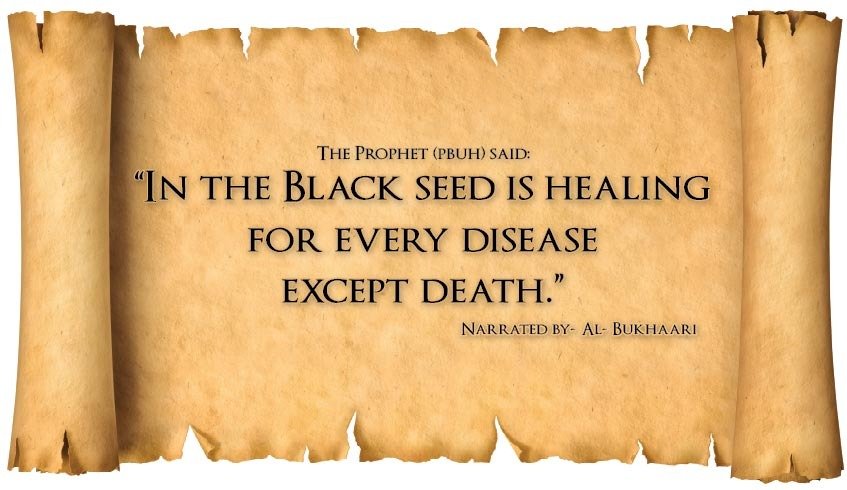
- The Prophet Mohammed (SAW) told about this plant “There is healing in black seeds for all diseases except death” (SahihBukhari 7:71:592)
- Written mention of black cumin is recorded in the pages of the Bible (Isaiah 28, 23-29).
- Ayurvedic tracts mentioned about beneficial properties of black onion seeds.
The reason for the popularity of Nigella Sativa seeds as a universal natural remedy is the complex chemical composition of the seeds. Each tiny seed contains a vast quantity of vitamins, natural resources, and sources of fatty acids. The main active component of the oil is a crystalline nigelon, a substance that is not fully understood by chemists, but has been thoroughly investigated by physicians.
Black Seed - History
RECOMMENDED BY THE PROPHET MUHAMMAD (SWS)
Black seed was recommended 1400 years ago by the Prophet Muhammad (Peace Be Upon Him). In his divine wisdom he said – “Use the Black Seed for indeed, it is a cure for all diseases except death”. SahihBukari 7:591
MENTIONED IN THE BIBLE
The earliest written reference is in the book of Isaiah in the Old Testament where it is referred as “ketzah” a spice for bread and cakes that can be used in many ways. Easton’s bible dictionary clarifies that the Hebrew word for black cumin, ketsah, refers to the nigella sativa. Isaiah compares the reaping of black cumin with wheat.
“For the black cumin is not threshed with a threshing sledge, nor is a cart wheel rolled over the cumin, but the black cumin is beaten out with a stick, and the cumin with a rod.”(Isiah 28:25,27 NKJV).


CLEOPATRA
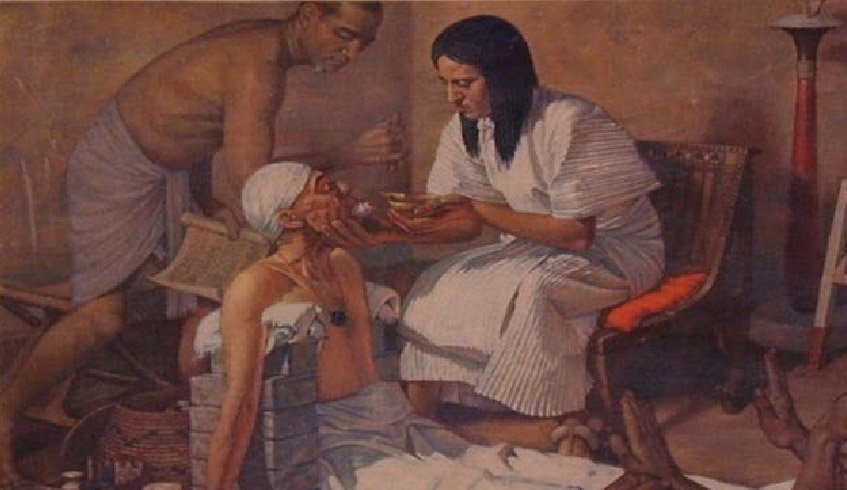
It is also known to have been used by Cleopatra for its health and beauty giving qualities. Queen Nefertiti, praised for her exquisite complexion, was an avid user of black cumin seed oil.
Physicians in Pharaohs’ times used black seed as a remedy for colds, headaches, digestive disorders, toothaches, infections, inflammatory disorders and allergies.
USED BY ALL NATUROPATHIC MASTERS
Hippocrates (5th century B.C.) regarded nigella sativa which he referred to as as a valuable remedy in hepatic and digestive disorders. In the first century it was used extensively by Pliny the elder in his “NaturalisHistoria” (Natural History) who referred to it as “Git”.
His list of remedies include the treatment of snakebites and scorpion stings, calosites, old tumours, abscesses, and skin rashes. A series of remedies against colds and inflammations in the area of the head are recommended (which appeared almost unchanged in the large German medicinal plant encyclopedias of the 16th to 18th centuries).
A short time later it was used by the Greek physician Dioscoredes, who described the plant clearly under the name of melanthion in his 5-volume pharmacology “De MateriaMedica” which was used as a reference for healing with herbs into the Middle Ages, he used black cumin seed to treat headaches, nasal congestion, toothache and intestinal parasites.
Black Seed Essential Oil
Essential oil is another name for volatile oil. The main constituent of black seed’s essential oil is thymoquinone, which has been shown to have many health benefits. Researchers have found that black seed fixed oil (oil blended with black seed essential oil) also has many benefits. Because black seed has such a wide range of therapeutic properties, researchers have concluded that black seed oil should be studied further as they consider opportunities for producing new drugs. However, more clinical evidence is needed to confirm that a medication made from black seed oil will be effective for any particular condition.
Black Seed Oil Benefits
Anti-inflammatory
Antihyperlipidemic
Antimicrobial
Anticancer
Antioxidant
Antidiabetic